

Applying for a private real estate loan should be fast, simple, and strategic, but too often, investors slow themselves down by skipping critical steps or sending incomplete files.
As a direct private lender, Swift Capital LLC reviews hundreds of loan applications every month. The truth? Most delays (and denials) come from preventable errors, not the deal itself.
In this article, we’ll break down the five most common mistakes investors make when applying for a private loan, and how to avoid them to secure funding quickly and confidently.
Mistake #1: Submitting Incomplete or Unorganized Documents
Private lenders move fast, but only if you give them what they need upfront.
Missing purchase contracts, incomplete rehab budgets, or unclear exit strategies can immediately stall your deal.
Swift Capital Tip:
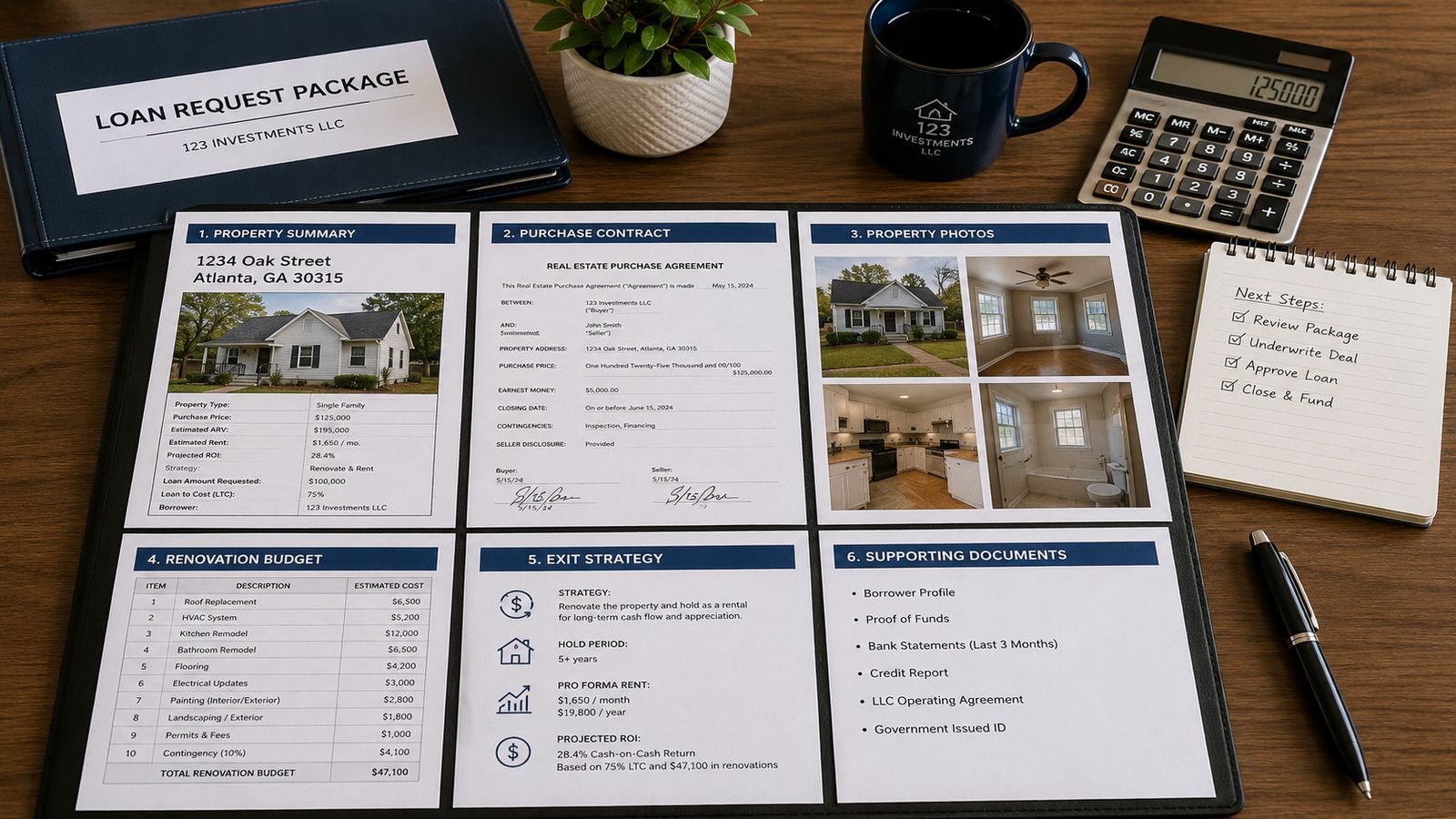
Before submitting, prepare a complete digital folder that includes:
- Purchase contract or refi details
- Itemized rehab budget (if applicable)
- Executed entity documents
- ARV (After Repair Value) estimate and comps to support estimated value
- Photos or appraisal (if available)
- Exit strategy (sale, refi, or rental)
A clean, organized package tells your lender you’re a professional and speeds up underwriting.
Mistake #2: Overestimating Property Value or ARV
Every investor wants to believe their deal is worth more, but inflating your property’s value can backfire fast. Private lenders verify market value using their own comps and risk models.
If your numbers don’t align with reality, it raises red flags.
Swift Capital Tip:
Use conservative comps within ½ mile of your property and similar square footage. Be realistic with rehab ROI and market timing; lenders prefer accuracy over optimism.
Remember, a lender’s job isn’t to doubt your deal, it’s to protect both your investment and theirs.
Mistake #3: Not Knowing Your Exit Strategy
Private lenders like Swift Capital want to understand one thing above all: How will you repay or exit the loan?
A vague answer like “I’ll figure it out later” is a deal-killer. Whether you plan to sell quickly as-is, complete renovation to add value, or hold long-term, you need a clear and credible plan.
Swift Capital Tip:
- For flips: outline timeline, contractor plan, and projected resale.
- For refis: specify which lender or DSCR product you’ll use.
- For rentals: include all income/expenses associated with the asset
A clear exit plan makes your deal bankable, even in private lending.
Mistake #4: Ignoring Experience and Track Record
Even though private lending is asset-based, your experience matters. Lenders want to know you can execute.
If you’ve completed projects before, include photos, timelines, or references.
If you’re newer, partner with an experienced investor or property manager to build credibility.
Swift Capital Tip:
Experience doesn’t have to mean 20 flips; it can mean showing preparedness, team organization, and knowledge of your local market.
Mistake #5: Working with Brokers Who Slow You Down
One of the biggest hidden mistakes investors make is applying through brokers who don’t have direct control of the funds.
Every extra layer means more paperwork, slower decisions, and less transparency.
Swift Capital Tip:
Work directly with a direct private lender like Swift Capital.
No middlemen. No committee delays. Just direct communication with decision-makers.
You’ll get real answers and real funding, faster.
Final Thoughts: Get Approved Faster
Avoiding these mistakes can save you days or even weeks when closing your next deal.
At Swift Capital LLC, our mission is simple:
“To help investors grow and scale through swift, low-cost, and flexible lending.”
When you submit a complete, well-documented deal with a clear exit strategy, you’re already halfway to funding.
This article is general information for real estate investors, not legal, tax or financial advice. Swift Capital makes business-purpose loans on non-owner-occupied investment property; every loan is subject to underwriting, appraisal and approval.